
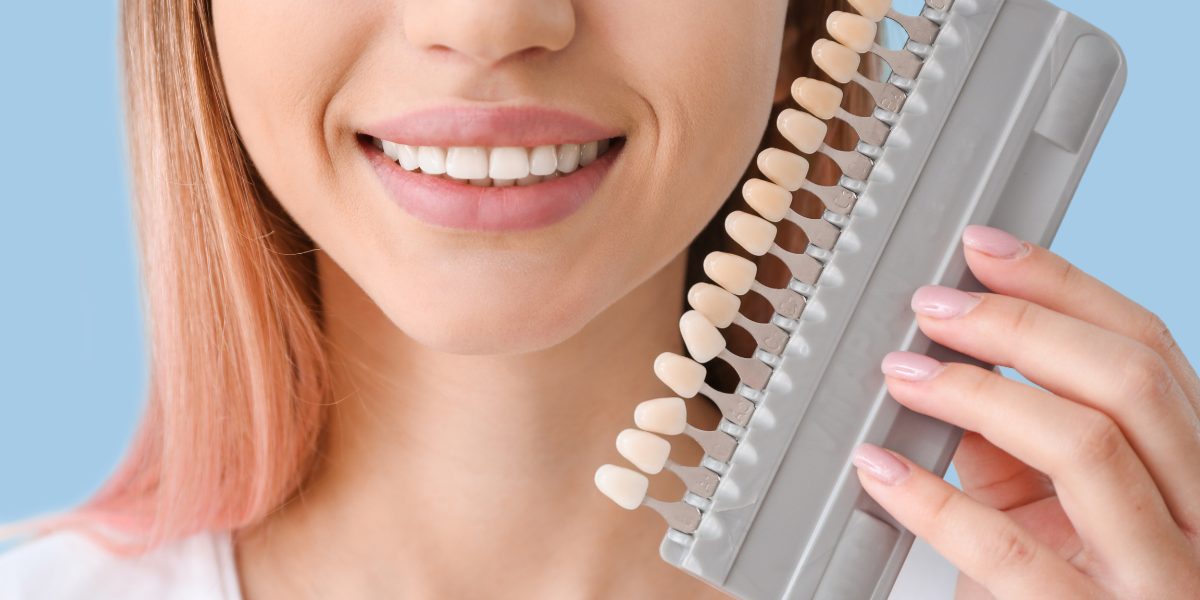
A dental veneer is designed to improve the appearance of your smile while providing long-lasting durability. However, even high-quality veneers can occasionally become loose, chipped, or fall off due to trauma, wear and tear, or bonding issues. When this happens, many patients immediately wonder whether the veneer can simply be reattached or if they need a completely new restoration.
Losing or damaging a veneer can feel stressful, especially if it affects a front tooth that is visible when speaking or smiling. Fortunately, modern cosmetic dentistry offers several solutions. Depending on the condition of the veneer and the underlying tooth, your dentist may be able to reattach the existing veneer, repair minor damage, or recommend a replacement for optimal results.
In this guide, we’ll explain why veneers become detached, how dentists determine whether reattachment is possible, the differences between repair and replacement, and what you can do to protect your veneers for years to come.
Table of Contents
- Why Do Veneers Fall Off or Become Damaged?
- When Can a Veneer Be Reattached?
- Repair vs. Replacement: How Dentists Decide
- How to Protect Your Veneers and Prevent Future Problems
- Frequently Asked Questions
Why Do Veneers Fall Off or Become Damaged?
Dental veneers are bonded to the front surface of teeth using advanced dental adhesives. While these materials are designed to create a strong connection, several factors can compromise the bond over time.
One of the most common causes of veneer detachment is trauma. Biting down on hard foods, chewing ice, or sustaining an injury during sports can place excessive pressure on the veneer. Even a minor impact can loosen the restoration, especially if it already has years of wear.
Teeth grinding and clenching can also contribute to veneer problems. The repeated force generated during grinding places stress on both the veneer and the adhesive holding it in place. Over time, this can lead to fractures, chips, or separation from the tooth.
Another possible cause is normal aging of the bonding material. Although veneers can last 10 to 15 years or longer with proper care, the adhesive may weaken gradually. Changes in the tooth structure, gum recession, and daily wear can all affect the longevity of the bond.
Poor oral hygiene may also play a role. Plaque and bacteria can accumulate around the margins of veneers, increasing the risk of decay or gum disease. If the underlying tooth becomes compromised, the veneer may no longer fit securely.
According to the American Dental Association, maintaining excellent oral hygiene and regular dental visits is essential for preserving restorations and overall oral health. External resources such as the ADA’s oral health recommendations provide valuable guidance for protecting cosmetic dental work.
The good news is that a detached veneer does not always mean you need a replacement. In many cases, prompt evaluation allows a dentist to determine whether the restoration can be safely reattached before further damage occurs.
When Can a Veneer Be Reattached?
The possibility of reattaching a veneer depends largely on the condition of both the veneer and the underlying tooth.
If the veneer has come off intact and the tooth structure remains healthy, reattachment is often possible. Your dentist will carefully inspect the restoration for cracks, chips, or structural weaknesses before determining whether it can be reused.
An intact veneer with minimal damage offers the best chance for successful reattachment. During the procedure, the dentist cleans both the tooth and veneer, removes any old bonding material, and uses a fresh adhesive to secure the veneer back into place.
In some situations, minor veneer damage can be repaired before reattachment. Small chips along the edge may be corrected using dental bonding techniques. This allows patients to preserve their original restoration while restoring appearance and function.
However, timing matters. If a veneer becomes detached, it is important to contact your dentist as soon as possible. Delaying treatment increases the risk of damage to the veneer, tooth sensitivity, and additional complications.
Patients should also avoid attempting to glue the veneer back themselves. Household adhesives can damage the restoration and make professional treatment more difficult. Instead, store the veneer safely and bring it to your dental appointment.
For patients interested in maintaining their cosmetic results, it may be helpful to review a practice’s cosmetic dentistry services page to better understand available treatment options. Additional educational resources on veneer care can also provide useful information about preserving your smile.
Ultimately, reattachment is most successful when the veneer remains structurally sound and the tooth underneath is healthy enough to support it.
Repair vs. Replacement: How Dentists Decide
When a veneer is damaged or detached, dentists evaluate several factors before recommending repair or replacement.
The first consideration is the extent of the damage. Small chips, minor edge fractures, or cosmetic imperfections may be repairable. Modern dental materials allow dentists to restore minor defects while maintaining a natural appearance.
The second factor is the integrity of the veneer itself. Porcelain veneers are durable, but significant cracks often compromise their strength. Even if a damaged veneer can technically be reattached, doing so may increase the likelihood of future failure. In these situations, replacement may provide a more reliable long-term solution.
Another important consideration is the health of the underlying tooth. If decay has developed beneath the veneer or if the tooth has sustained structural damage, additional treatment may be necessary before any cosmetic restoration can be placed.
Aesthetic concerns also play a role. Over time, surrounding teeth may change color while older veneers maintain their original shade. When replacing a veneer, dentists can often create a restoration that blends more naturally with the current appearance of the smile.
Patients frequently ask whether replacement is worth the investment. In many cases, replacing a significantly damaged veneer prevents recurring issues and helps maintain both appearance and function.
An experienced cosmetic dentist evaluates not only the current problem but also the long-term outlook. Their goal is to recommend a solution that provides durability, aesthetics, and comfort while minimizing future complications.
By carefully assessing the condition of the veneer, adhesive bond, and supporting tooth structure, dentists can determine whether repair or replacement will deliver the best result.
How to Protect Your Veneers and Prevent Future Problems
Preventive care is one of the most effective ways to maximize the lifespan of dental veneers.
Patients should maintain a consistent oral hygiene routine that includes brushing twice daily, flossing regularly, and attending routine dental examinations. These habits help prevent gum disease and decay that could affect the teeth supporting the veneers.
Avoiding harmful habits is equally important. Chewing on ice, biting fingernails, opening packages with teeth, and consuming excessively hard foods can place unnecessary stress on veneers. Reducing these behaviors significantly lowers the risk of damage.
Individuals who grind or clench their teeth may benefit from a custom night guard. Night guards provide a protective barrier that helps reduce pressure on veneers and natural teeth during sleep.
Regular dental evaluations allow potential problems to be identified early. Small issues can often be addressed before they become major repairs or replacements. Patients considering additional cosmetic enhancements may also explore related smile makeover or restorative dentistry services to maintain optimal oral health.
Choosing a qualified cosmetic dentist is another key factor in veneer longevity. Proper treatment planning, precise bonding techniques, and high-quality materials all contribute to long-term success.
With proper care, many patients enjoy beautiful, functional veneers for well over a decade. Taking preventive measures today can help protect your investment and reduce the likelihood of unexpected veneer emergencies in the future.
Frequently Asked Questions About Dental Veneers
Can a veneer be glued back on if it falls off?
In many cases, yes. If the veneer remains intact and the tooth underneath is healthy, a dentist may be able to professionally reattach it using specialized dental bonding materials.
How long does it take to reattach a veneer?
Reattaching a veneer is often completed in a single appointment. The exact time depends on the condition of the veneer and whether any repairs are required before rebonding.
Is it better to repair or replace a chipped veneer?
Minor chips may be repairable, but larger fractures often require replacement. Your dentist will evaluate the extent of the damage and recommend the most durable solution.
What should I do if my veneer falls off?
Store the veneer safely, avoid using household glue, and contact your dentist as soon as possible. Prompt treatment improves the likelihood of successful reattachment.
How long do veneers typically last?
Porcelain veneers often last 10 to 15 years or longer when properly maintained. Good oral hygiene and regular dental visits can help maximize their lifespan.
Conclusion
A detached or damaged veneer does not automatically mean you need a new restoration. In many cases, veneers can be successfully reattached when they remain intact and the underlying tooth is healthy. Understanding the difference between repair and replacement helps patients make informed decisions about their dental care.
Working with an experienced cosmetic dentist ensures a thorough evaluation and personalized treatment recommendation. Whether your veneer can be repaired, reattached, or replaced, prompt professional care is the best way to restore your smile and prevent additional complications. With proper maintenance and preventive habits, veneers can continue enhancing your appearance and confidence for many years.
If your veneer has become loose, chipped, or fallen off, don’t wait to seek professional care. Early treatment can often prevent additional damage and increase the chances of saving your existing restoration.
The team at Your Community Smile is committed to helping patients maintain healthy, beautiful smiles through personalized cosmetic dental care. Whether you need a veneer evaluation, repair, or replacement, our experienced dental professionals can guide you toward the solution that best meets your needs.
Schedule an appointment today to have your veneer assessed and learn about your available treatment options. Taking action now can help restore your smile, protect your tooth, and give you confidence in your appearance once again.

