
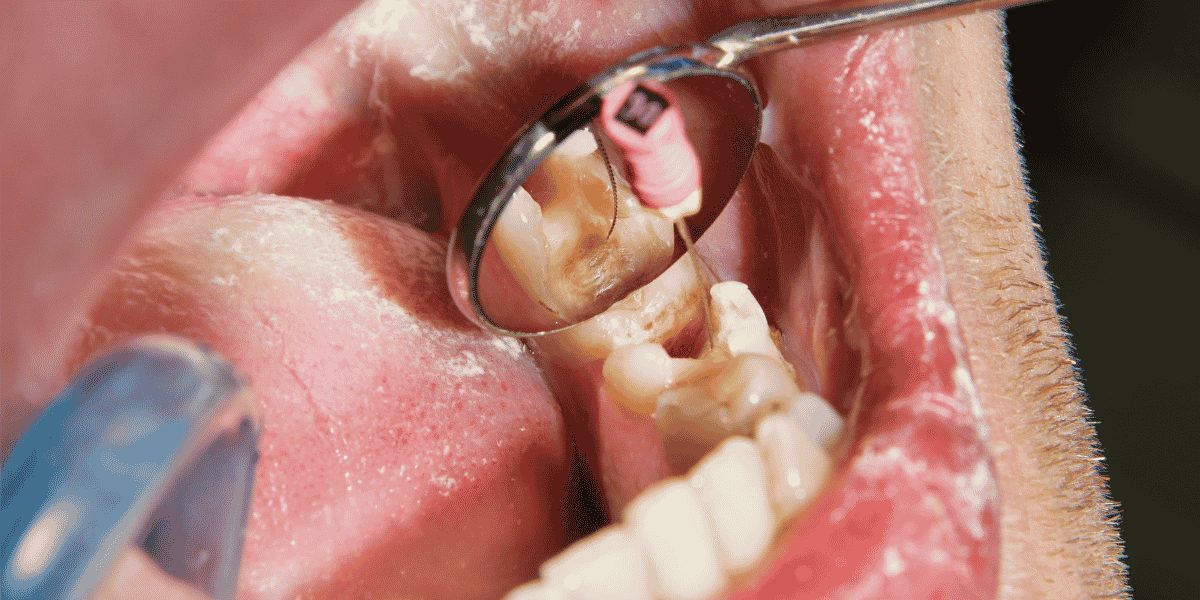
A root canal can bring major relief from tooth pain, but many patients still feel nervous about the recovery process afterward. One of the biggest concerns people have is knowing whether the discomfort they feel after treatment is normal or a sign that something is wrong. Mild soreness, sensitivity, and tenderness are common after a root canal, but severe pain or swelling may indicate a problem that requires attention.
Understanding the difference between expected healing symptoms and potential complications can help patients feel more confident during recovery. Your Community Smile provides compassionate dental care focused on patient comfort and education. In this guide, you’ll learn what the typical root canal recovery timeline looks like, what symptoms are considered normal, what warning signs should never be ignored, and how to heal as comfortably and quickly as possible.
Root canal therapy is designed to save an infected tooth and prevent further dental problems. After treatment, your body begins the healing process immediately. Some patients recover within a few days, while others may experience mild discomfort for a week or longer depending on the severity of the infection and the condition of the tooth before treatment.
Many people mistakenly assume that all pain after a root canal is dangerous. In reality, inflammation in the surrounding tissues can cause temporary discomfort even when the procedure is successful. The key is understanding the timeline of symptoms and recognizing when something falls outside the normal healing pattern.
This article will also explain how to reduce discomfort after treatment, what foods to avoid, and when to contact your dentist for follow-up care. Whether you recently had a root canal or are preparing for one, knowing what to expect can make recovery less stressful and more manageable.
Table of Contents
- What Is Normal After a Root Canal?
- Signs Your Root Canal Recovery May Not Be Healing Properly
- How to Speed Up Root Canal Recovery
- When to Contact a Dentist About Root Canal Pain
- Frequently Asked Questions
What Is Normal After a Root Canal?
After a root canal procedure, it is completely normal to experience mild to moderate discomfort for several days. During treatment, the infected pulp inside the tooth is removed, and the surrounding tissue may become irritated or inflamed. Even though the infection has been cleaned out, your body still needs time to heal. Many patients describe the sensation as soreness, tenderness when chewing, or mild sensitivity around the treated tooth.
The first 24 to 72 hours are usually when symptoms are most noticeable. Some people feel slight swelling in the gum tissue or discomfort when biting down. This does not necessarily mean the root canal failed. Instead, it is often a result of inflammation around the root tip. Over-the-counter pain relievers recommended by your dentist can usually manage these symptoms effectively.
It is also common for the treated tooth to feel “different” for a short time. Since the nerve has been removed, sharp tooth pain should disappear, but surrounding ligaments and tissues may still be sensitive. Eating softer foods and avoiding chewing directly on the treated tooth can help minimize discomfort while healing progresses.
Patients who had severe infections before treatment may experience a slightly longer recovery period. If the infection caused swelling or abscess formation before the procedure, the body may need additional time to calm inflammation completely. In most cases, however, symptoms gradually improve every day rather than worsening.
Temporary sensitivity can also occur if the tooth has not yet received its permanent crown. Many root canal-treated teeth require crowns to restore strength and protect the remaining tooth structure. Until the final restoration is placed, the tooth may feel vulnerable or slightly tender.
According to the American Association of Endodontists, root canal treatment has a very high success rate and can preserve natural teeth for many years. Patients who follow aftercare instructions carefully often experience smooth recoveries with minimal complications.
A few examples of normal recovery symptoms include:
- Mild soreness around the treated tooth
- Sensitivity when chewing
- Slight gum tenderness
- Minor jaw discomfort from keeping the mouth open during treatment
- Temporary swelling that improves within a few days
Patients should monitor whether symptoms steadily improve over time. Gradual improvement is one of the strongest signs that healing is progressing properly.
Signs Your Root Canal Recovery May Not Be Healing Properly
While mild discomfort is expected after a root canal, certain symptoms may indicate complications that require prompt dental attention. One of the most important warning signs is pain that becomes worse instead of better after several days. Recovery discomfort should gradually decrease, not intensify.
Persistent swelling is another concern. Small amounts of inflammation may occur immediately after treatment, but noticeable swelling in the gums, face, or jaw that continues or spreads could signal lingering infection. In some cases, bacteria may remain inside the tooth or surrounding tissue, leading to renewed symptoms.
Another major red flag is severe throbbing pain that interrupts sleep or daily activities. Sharp, intense, or pulsing pain often indicates a deeper issue beyond normal post-treatment soreness. Patients should never ignore symptoms that feel similar to the pain they experienced before the root canal.
Other warning signs include:
- Fever or chills
- Pus or drainage near the tooth
- A bad taste in the mouth
- Difficulty swallowing
- Significant pressure when biting
- Persistent sensitivity after several weeks
A cracked tooth or damaged restoration can also interfere with healing. If a temporary filling breaks or the tooth fractures before the permanent crown is placed, bacteria can re-enter the tooth and cause reinfection. This is why dentists strongly recommend returning for the final restoration promptly after root canal therapy.
Patients should also be aware that not every failed root canal causes immediate severe pain. Sometimes the symptoms develop slowly over time. Mild discomfort that never fully resolves, recurring gum swelling, or sensitivity months later may all indicate the need for evaluation.
Ignoring warning signs can allow infection to spread, potentially leading to bone loss, abscesses, or the need for tooth extraction. Early intervention often prevents more extensive treatment later.
If you are unsure whether your symptoms are normal, it is always safest to contact your dental provider. A quick examination and X-ray can help determine whether healing is progressing properly.
Learn more about restorative dentistry and dental infections by visiting:
[Internal Link Placeholder – Root Canal Service Page]
Patients who receive timely follow-up care often avoid more serious complications. Communication with your dentist during recovery is one of the best ways to ensure successful healing.
How to Speed Up Root Canal Recovery
Healing after a root canal is usually straightforward, but patients can take several steps to reduce discomfort and support faster recovery. Following post-treatment instructions carefully is one of the most important parts of protecting the treated tooth.
One of the first recommendations dentists give is to avoid chewing on the treated side until numbness wears off completely. Accidentally biting the tongue or cheek while numb can create unnecessary irritation. Once sensation returns, soft foods are usually the best option during the first few days.
Foods that are easier on recovering teeth include:
- Yogurt
- Scrambled eggs
- Soup
- Smoothies
- Mashed potatoes
- Pasta
- Oatmeal
Hard, crunchy, sticky, or extremely hot foods should be avoided until the tooth feels stable again. Chewing ice, nuts, or hard candy can damage a temporary filling or worsen sensitivity.
Maintaining good oral hygiene is also essential. Some patients become afraid to brush near the treated tooth, but gentle cleaning helps prevent bacteria buildup and supports healing. Brushing twice daily and flossing carefully around the area can reduce the risk of complications.
Another important factor is managing inflammation. Dentists may recommend anti-inflammatory medications to reduce soreness and swelling. Applying a cold compress to the outside of the jaw during the first day can also help minimize discomfort.
Patients should prioritize rest after treatment, especially if the infection was severe beforehand. Stress and poor sleep can interfere with the body’s natural healing response. Staying hydrated and maintaining healthy nutrition also contribute to recovery.
Smoking is one of the biggest factors that can delay healing after dental procedures. Tobacco use reduces blood flow to the gums and increases the risk of infection. Patients who smoke should avoid tobacco products during recovery whenever possible.
It is equally important to attend all follow-up appointments. Many root canal-treated teeth need permanent crowns to restore function and prevent fractures. Delaying the final restoration can leave the tooth vulnerable to damage.
Your Community Smile understands that every patient heals differently. Some individuals recover quickly with minimal soreness, while others need more time depending on the complexity of the infection and the tooth involved. Personalized aftercare guidance helps patients recover more comfortably and confidently.
Patients who follow proper aftercare recommendations typically experience smoother healing and long-term success with their restored tooth.
When to Contact a Dentist About Root Canal Pain
Knowing when to seek professional help can prevent small recovery concerns from becoming serious dental emergencies. While some discomfort is expected after a root canal, certain symptoms should never be ignored.
Pain lasting longer than one to two weeks without improvement deserves evaluation. Mild tenderness may linger temporarily, but persistent pain often suggests that something else is occurring beneath the surface. Your dentist may need to assess whether additional cleaning, medication, or retreatment is necessary.
Swelling that continues to grow is another major reason to call a dental office immediately. Facial swelling can indicate an active infection that requires urgent treatment. In severe cases, untreated infections can spread into surrounding tissues and create significant health risks.
Patients should also contact their dentist if they notice:
- A loose temporary filling
- A cracked or chipped tooth
- Difficulty chewing normally
- Allergic reactions to medication
- Persistent numbness
- Gum boils or drainage near the treated tooth
Sometimes discomfort may come from bite alignment issues rather than infection. If the treated tooth feels too tall when biting down, even small pressure imbalances can create soreness. Fortunately, dentists can often correct this quickly with a simple bite adjustment.
Another common concern involves delayed crown placement. Teeth that undergo root canal therapy are often weaker because infected tissue and damaged tooth structure have been removed. Without proper protection, the tooth may fracture under pressure. Scheduling permanent restoration placement promptly is critical for long-term success.
Patients should never feel embarrassed about contacting their dentist with concerns. Early communication allows problems to be identified before they worsen. A professional examination can provide reassurance when healing is normal and immediate care when intervention is needed.
At Your Community Smile, patient education and comfort remain top priorities throughout every stage of treatment and recovery. The dental team understands that post-procedure anxiety is common and works closely with patients to ensure they feel informed and supported during healing.
You can also explore additional oral health resources here:
[Internal Link Placeholder – Dental Blog Resource Page]
Successful root canal recovery depends on proper care, close monitoring of symptoms, and timely follow-up when needed. Most patients heal without major issues and enjoy lasting relief from tooth pain once recovery is complete.
Frequently Asked Questions About Root Canal Recovery
How long does pain last after a root canal?
Most patients experience mild discomfort for a few days after treatment. Some tenderness when chewing may last up to one or two weeks, especially if the tooth had a severe infection beforehand. Pain should gradually improve over time rather than worsen.
Is throbbing pain after a root canal normal?
Mild soreness can be normal, but severe throbbing pain that intensifies may indicate infection, inflammation, or bite problems. If pain becomes difficult to manage or disrupts sleep, patients should contact their dentist for evaluation.
Can I eat normally after a root canal?
Patients should wait until numbness fully wears off before eating. Soft foods are recommended for the first few days to avoid irritating the treated tooth. Hard or sticky foods should be avoided until the tooth is fully restored.
What happens if a root canal fails?
A failed root canal may allow infection to return inside the tooth or surrounding tissues. Symptoms can include pain, swelling, or sensitivity. Depending on the situation, retreatment or endodontic surgery may be recommended.
Do I always need a crown after a root canal?
Many teeth require crowns after root canal therapy because the tooth structure becomes weaker. A crown helps protect the tooth from fractures and restores long-term function and durability.
Conclusion
Recovering from a root canal is usually much easier than most patients expect. Mild soreness, sensitivity, and tenderness are common during the first few days, especially if the tooth was severely infected before treatment. Understanding the difference between normal healing and warning signs can help patients feel more confident throughout recovery.
Your Community Smile is committed to helping patients protect their oral health with compassionate, high-quality dental care. From diagnosis to recovery guidance, the team focuses on patient comfort, education, and long-term results. Whether you are preparing for a root canal or recovering from one now, professional support and timely follow-up care can make the healing process smoother and less stressful.
If you are experiencing tooth pain, sensitivity, or concerns after a root canal, professional care can help you avoid more serious dental problems. Your Community Smile provides personalized treatment and recovery support designed to keep patients comfortable every step of the way.
Ignoring persistent pain or swelling can allow infection to worsen over time. Early evaluation helps identify whether symptoms are part of normal healing or require additional treatment. The dental team is dedicated to helping patients preserve their natural teeth and restore healthy smiles with compassionate care and modern treatment techniques.
Contact Your Community Smile today to schedule an appointment and get the answers you need. Whether you need follow-up care, a second opinion, or treatment for ongoing discomfort, experienced dental professionals are ready to help you feel comfortable and confident again.

