
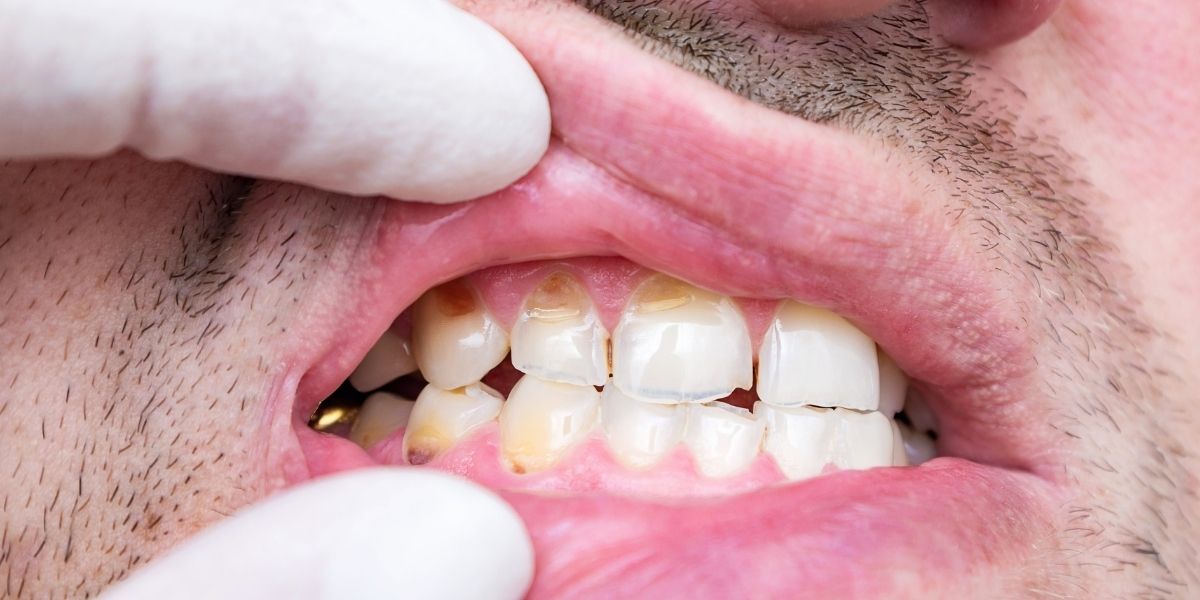
A cracked tooth can catch anyone off guard. One moment everything feels normal, and the next there’s a sharp twinge when you bite down or sip something cold. Not every tooth crack means you need to rush to the dentist immediately, but some situations truly cannot wait. Knowing the difference can help protect your tooth, reduce pain, and prevent long-term complications.
Teeth are strong, yet they are not indestructible. Years of chewing, clenching, grinding, or even a single unexpected bite on something hard can create a fracture. Cracks vary widely, from tiny surface lines that cause no trouble to deep splits that expose the inner layers of the tooth. The challenge is that symptoms are not always obvious at first. Some cracks hurt right away, while others quietly worsen over time.
Understanding which signs point to a dental emergency gives you confidence to act quickly when it matters most. Same-day care can often mean the difference between saving a tooth and losing it. The following sections explain the types of tooth cracks, common symptoms, red flags that require immediate attention, and situations where waiting a short time may be safe.
Types of Tooth Cracks and Why They Matter
Not all tooth cracks are equal. Some only affect the outer enamel, while others reach deeper layers. Craze lines are tiny surface cracks that are usually painless and harmless. Fractured cusps involve a broken chewing edge and may cause discomfort but often do not damage the tooth’s core.
More serious cracks include cracked teeth that extend toward the root and vertical root fractures that start below the gumline. These deeper cracks allow bacteria to enter the tooth, increasing the risk of infection. The type of crack plays a major role in determining whether your situation is urgent.
Pain That Comes and Goes When Biting
Intermittent pain when chewing is one of the most common signs of a cracked tooth. You may notice discomfort only when releasing your bite rather than when biting down. This happens because the crack opens slightly under pressure and irritates the inner tissue of the tooth.
Pain that appears suddenly and feels sharp is more concerning than a mild ache. If biting pain is consistent or worsening, it often means the crack is spreading and should be evaluated promptly.
Sensitivity to Hot or Cold Temperatures
Temperature sensitivity can offer important clues. A cracked tooth may react strongly to cold drinks, hot foods, or even breathing in cool air. Brief sensitivity that fades quickly may not be an emergency, but lingering pain after the temperature source is removed is a warning sign.
Prolonged sensitivity often suggests that the crack has reached the dentin or pulp, where nerves and blood vessels are located. This level of involvement usually requires same-day dental care to prevent infection or nerve damage.
Visible Damage or a Piece of Tooth Missing
If you can see a crack, chip, or missing piece of tooth, do not ignore it. Visible damage means the protective enamel barrier has been compromised. Even if pain is mild, exposed areas allow bacteria to reach sensitive inner structures.
A tooth that looks split, jagged, or uneven should be checked as soon as possible. Waiting increases the risk of the crack spreading further, especially during normal chewing.
Swelling, Gum Changes, or Signs of Infection
Swelling around the tooth or gums is a serious red flag. This may appear as puffiness, tenderness, or a small bump on the gum near the affected tooth. These symptoms often indicate infection, which can spread beyond the tooth if left untreated.
Other warning signs include a bad taste, drainage, or persistent throbbing pain. Any crack accompanied by swelling or infection symptoms should be treated as an emergency and addressed the same day.
When It May Be Safe to Wait Briefly
Some minor cracks cause no pain and show no visible damage. If you notice a faint line on the tooth with no sensitivity, swelling, or discomfort when chewing, it may be reasonable to schedule a routine dental visit rather than an urgent one.
Even in these cases, delaying too long is not advised. Small cracks can worsen over time, especially with grinding or clenching. Avoid chewing hard foods on that side and monitor for new symptoms until you are seen by a dentist.
A cracked tooth does not always mean an emergency, but knowing the warning signs can protect your oral health and spare you unnecessary pain. Sharp or worsening pain when biting, lingering sensitivity, visible damage, and any swelling or signs of infection all point to the need for same-day dental care. Acting quickly can often save the tooth and prevent more serious complications.
If you are unsure whether your symptoms require immediate attention, it is always safer to seek professional guidance rather than wait. Prompt evaluation allows for simpler treatment and better outcomes. If you are experiencing concerning symptoms or sudden tooth pain, contact Your Community Smile to schedule an evaluation and get the timely care you need to protect your smile.

